Sustainable Packaging Impact on Sales
August 30, 2026 · Editorial Team

Table of Contents
- How Sustainable Packaging Drives Sales Growth
- Consumer Willingness to Pay for Sustainable Packaging
- Benefits of Compostable Packaging for Businesses
- Packaging as a Tool for Brand Differentiation
- How to Market Eco-Friendly Packaging to Customers
- The Green Premium vs Price Sensitivity Reality
- Custom Branded Compostable Cups: Minimum Order Quantity and Business Impact
- Conclusion
Last Updated: August 30, 2026
How Sustainable Packaging Drives Sales Growth
The relationship between sustainable packaging and sales performance is no longer theoretical. Businesses across the food and beverage sector are discovering that eco-conscious packaging decisions directly influence customer purchasing behaviour, brand perception, and ultimately, revenue. At Biodegradable Packaging AU, we work with cafes, restaurants, and catering operations to understand how the shift toward sustainable packaging translates into measurable business outcomes.
Sustainable packaging sales impact extends beyond environmental responsibility. When customers encounter environmentally friendly packaging, they form immediate associations with brand values. A cafe serving coffee in certified compostable cups signals commitment to environmental stewardship. A restaurant delivering takeaway meals in plant-based containers demonstrates alignment with customer values. These signals matter because they shape purchasing decisions.
The core mechanism is straightforward: consumers increasingly prefer brands that reflect their own values. Businesses that adopt sustainable packaging often report stronger customer loyalty and higher repeat purchase rates. The packaging itself becomes a marketing tool, communicating brand identity at the moment of transaction.
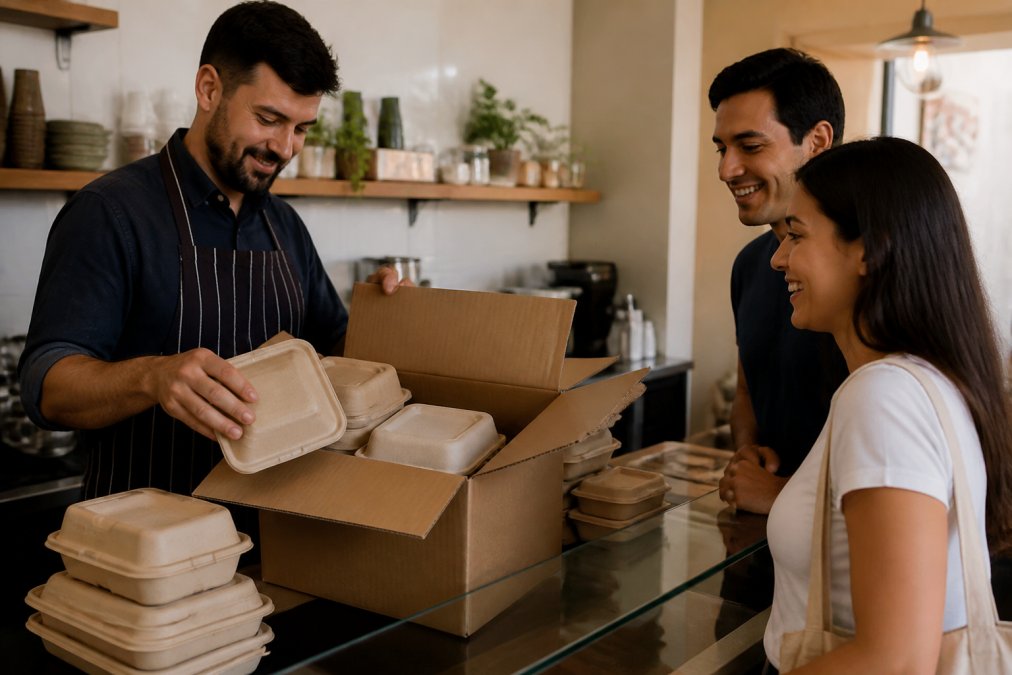
What separates successful implementations from failed ones is authenticity. Greenwashing, making environmental claims without substantive action, undermines trust. Genuine commitment to sustainable packaging, backed by certified products and transparent supply chain practices, builds credibility. Customers recognise the difference, and their purchasing behaviour reflects it.
Consumer Willingness to Pay for Sustainable Packaging
The question most businesses ask first is direct: will customers pay more for products in sustainable packaging? The answer is nuanced and depends entirely on how the value proposition is framed.
Consumer purchase intention research consistently shows that eco-conscious buyers exist across all market segments. These consumers actively seek out brands aligned with their environmental values. However, willingness to pay has limits. Most consumers will accept a modest price increase, typically in the range of 5-10% above conventional packaging costs, if they perceive genuine environmental benefit.
The critical factor is transparency. When businesses clearly communicate why packaging costs more (certified compostable materials, reduced carbon footprint, composting infrastructure support), customers understand the trade-off. When pricing increases without explanation, resistance follows.
Different customer segments show varying price sensitivity. Premium-positioned brands can command higher price points because their customers expect and accept elevated costs as part of the brand experience. Mass-market operators face tighter margins and must balance sustainability investments against price-conscious customers. Mid-market businesses often find the sweet spot by positioning sustainable packaging as a differentiator rather than a cost burden.
A practical approach involves testing. Introduce sustainable packaging to a segment of your customer base and monitor response. Many businesses discover that customers who actively choose sustainable options become loyal advocates, offsetting any price sensitivity among price-focused segments.
Benefits of Compostable Packaging for Businesses
Beyond customer perception, compostable packaging delivers concrete operational and environmental benefits that directly affect business profitability and brand reputation.
Regulatory alignment and future-proofing represents the most immediate business benefit. Packaging regulations are tightening across Australia. By transitioning to certified compostable packaging now, businesses position themselves ahead of regulatory requirements rather than scrambling to comply under pressure. This proactive approach reduces operational disruption and demonstrates industry leadership.
Supply chain sustainability improves measurably when businesses switch to plant-based, compostable materials. Traditional plastic packaging creates lasting environmental liabilities. Compostable alternatives break down within months in proper composting conditions, eliminating long-term waste burden. This matters for brand reputation, customers increasingly scrutinise supplier environmental practices, and compostable packaging demonstrates commitment.
Carbon footprint reduction across supply chain operations is significant. Plant-based packaging materials typically require less energy to produce than conventional plastics. When combined with local sourcing and efficient logistics, the environmental impact shrinks considerably. Businesses can quantify and communicate these reductions, strengthening their sustainability narrative.
Brand differentiation through sustainable packaging is powerful in crowded markets. Two cafes offering similar products at similar prices, one using conventional packaging, one using certified compostable alternatives, create distinctly different customer perceptions. The sustainable option signals values alignment, attracting environmentally conscious customers who view packaging choice as a proxy for overall business ethics.
Customer experience enhancement extends beyond environmental considerations. Compostable packaging from Biodegradable Packaging AU, including options like our Family BioBoard Box at $72.10, delivers durability and professional appearance. Customers receive meals in packaging that feels premium and performs reliably. This tactile experience reinforces positive brand associations.

Packaging as a Tool for Brand Differentiation
In competitive food and beverage markets, packaging has evolved from functional necessity to strategic brand asset. Sustainable packaging offers unique differentiation opportunities unavailable through conventional materials.
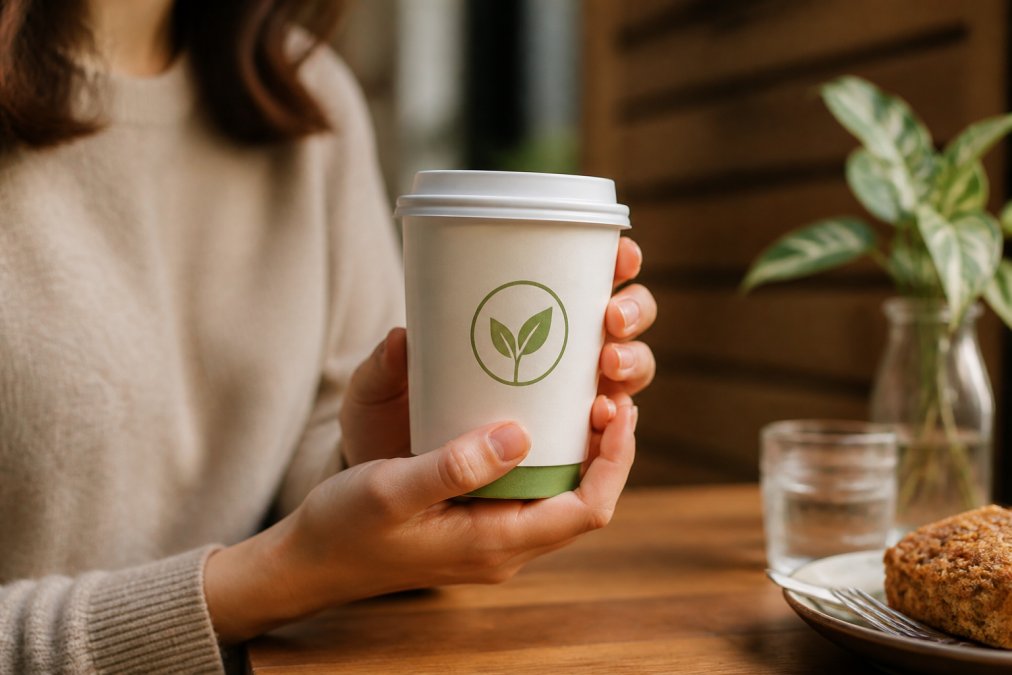
Visual identity and brand recognition strengthen when packaging design aligns with brand values. Custom branded compostable packaging transforms every transaction into a brand reinforcement moment. A customer carrying a branded compostable cup becomes a mobile advertisement, visible to other potential customers. This earned visibility creates marketing value beyond the product itself.
Storytelling capability expands with sustainable packaging choices. Businesses can communicate their environmental commitment, sourcing practices, and values directly through packaging. QR codes on compostable boxes can link to sustainability reports, composting instructions, or brand origin stories. This educational dimension deepens customer engagement and justifies premium positioning.
Market segmentation becomes more precise when packaging choices signal target audience. Premium brands use high-quality compostable packaging to attract affluent, values-driven customers. Volume-focused operators use functional compostable options to maintain margins while capturing environmentally conscious segments. Packaging design directly influences which customer segments self-select into your brand.
Competitive positioning improves dramatically when competitors still use conventional packaging. Early adopters of sustainable solutions capture the environmental consciousness segment before competitors respond. This first-mover advantage creates customer loyalty that persists even after competitors eventually transition to sustainable options.
Biodegradable Packaging AU's custom branded packaging solutions enable businesses to create distinctive, memorable unboxing experiences. Options like our Dinner BioBoard Box at $69.25 and Regular Snack BioBoard Box at $70.85 provide professional platforms for brand expression while delivering environmental credibility.


How to Market Eco-Friendly Packaging to Customers
Communicating sustainable packaging benefits requires strategy beyond simply stating environmental claims. Effective marketing bridges the gap between consumer sentiment and actual purchasing behaviour.
Authenticity first. Marketing eco-friendly packaging fails when claims exceed reality. Ensure your sustainability narrative is verifiable. Use certified compostable products with genuine certifications. Document your supply chain practices. Be transparent about limitations, compostable packaging only works if customers dispose of it correctly. This honesty builds trust that inflated claims destroy.
Educate about composting infrastructure. Many customers don't understand how compostable packaging works or where to dispose of it. Provide clear instructions on packaging itself. Partner with local councils to promote composting facilities. Create educational content explaining the difference between compostable and recyclable packaging. This education removes friction from the purchasing decision.
Highlight specific environmental benefits. Generic messaging about "being sustainable" underperforms. Quantify impact: "This packaging diverts X kilograms from landfill annually" or "Our compostable cups reduce carbon emissions by X compared to conventional plastic." Specific numbers build credibility and give customers concrete reasons to support your brand.
use customer testimonials and social proof. Customers who actively choose sustainable options become advocates. Encourage them to share their experience. Feature customer stories about why they value your sustainable packaging choice. Social proof from peers carries more weight than brand messaging.
Create point-of-sale messaging. At the moment of purchase, reinforce the value of sustainable packaging. Signage explaining composting benefits, certifications, or environmental impact influences purchasing decisions. Train staff to briefly mention sustainable packaging benefits, personal endorsement from staff builds confidence.
Use digital channels strategically. Social media content showing your compostable packaging in use, composting processes, or environmental impact resonates with environmentally conscious audiences. Email marketing can educate customers about proper disposal and celebrate milestones (e.g., "Together, we've diverted X tonnes from landfill"). Digital content builds community around shared values.
The Green Premium vs Price Sensitivity Reality
The tension between premium pricing for sustainable packaging and price-sensitive customer segments defines the commercial challenge in this space. Understanding this dynamic prevents costly missteps.
The green premium exists but has limits. Environmentally conscious customers will pay more for sustainable packaging, typically 5-10% above conventional costs. However, this willingness plateaus. A 30% price increase for sustainable packaging, regardless of environmental benefit, triggers resistance even among eco-conscious segments. The sweet spot requires balancing genuine cost differences against market expectations.
Price sensitivity varies dramatically by business model. Premium cafes targeting affluent, values-driven customers can implement sustainable packaging with minimal price increases and minimal customer resistance. Budget-focused quick-service restaurants face different dynamics, their customers prioritise affordability above environmental considerations. Mid-market operators must carefully segment customers and communicate value clearly.
The gap between consumer sentiment and actual behaviour remains significant. Surveys consistently show that consumers care about environmental impact and claim willingness to support sustainable practices. However, when faced with actual purchasing decisions, many revert to price-based choices. This attitude-behaviour gap means businesses cannot rely solely on environmental messaging, they must also deliver functional value and maintain competitive pricing.
Strategic positioning determines price acceptance. Businesses that position sustainable packaging as premium brand experience (not environmental charity) maintain higher margins. Customers accept higher prices when they perceive elevated quality, professional appearance, or brand prestige. When sustainable packaging is positioned as a cost-saving measure or environmental obligation, customers resist the premium.
A practical approach involves transparent cost communication. Show customers the actual cost difference between conventional and compostable packaging. Explain what drives the premium. Many customers accept modest increases when they understand the economics. Biodegradable Packaging AU's pricing, such as our Burger BioBoard White Box at $70.50, reflects genuine material and certification costs, not arbitrary markups. Communicating this transparency builds customer confidence.
Custom Branded Compostable Cups: Minimum Order Quantity and Business Impact
Custom branded packaging represents a significant business investment, and minimum order quantity considerations directly influence financial viability for smaller operations.
Minimum order quantities for branded compostable cups typically range from 500 to 2,500 units depending on customisation complexity. Simple designs with single-colour printing on standard cup sizes require lower minimums. Complex multi-colour designs with custom sizing push minimums higher. Understanding your supplier's MOQ structure before committing to custom branding prevents costly surprises.
Financial calculation requires careful analysis. A small cafe ordering 500 custom branded compostable cups at approximately $0.50 per unit (example pricing) represents a $250 investment. This investment only makes sense if the business projects sufficient volume to distribute that cost across units sold before the packaging becomes outdated. A cafe selling 50 cups daily recovers the investment in 10 days. A cafe selling 10 cups daily requires 50 days.
Lead times matter significantly. Custom branded packaging typically requires 6-12 weeks from order to delivery. This timeline prevents rapid restocking if demand exceeds projections. Businesses must forecast volume accurately and maintain buffer stock. Rush orders incur premium costs that erode margin benefits.
Reorder economics improve dramatically. Once custom plates are established, subsequent orders require minimal additional setup. Reorder costs drop to approximately $0.35-$0.45 per unit (example pricing), improving margin. This dynamic favours businesses with stable, predictable volume. High-volume operators gain significant cost advantages through economies of scale.
Business impact extends beyond packaging costs. Custom branded cups create psychological ownership among customers. A branded cup signals professionalism and brand commitment. Customers using branded cups become walking advertisements, generating word-of-mouth visibility. This marketing value often exceeds the incremental packaging cost.
Biodegradable Packaging AU offers custom branded options on our certified compostable range, including premium stainless steel reusable cups. For businesses uncertain about volume projections, starting with standard branded designs (lower MOQ, faster delivery) then transitioning to fully custom options as volume stabilises reduces financial risk.
Consider also our Chip BioBoard White Box at $81.75 and sushi tray options like the Medium BioBoard Sushi Tray at $58.35 for businesses seeking compostable options without custom branding investment initially.
Sustainable packaging impact on sales reflects a fundamental shift in how customers evaluate brands. Environmental responsibility is no longer peripheral, it's central to brand identity and purchasing decisions. Businesses that implement genuine sustainable packaging solutions, communicate transparently about environmental benefits, and maintain competitive pricing position themselves for growth in markets increasingly shaped by eco-conscious consumer behaviour.
The transition to sustainable packaging requires upfront investment and operational adjustment. However, the returns extend beyond environmental benefit. Stronger customer loyalty, regulatory alignment, brand differentiation, and access to growing eco-conscious market segments justify the investment. Biodegradable Packaging AU supports this transition with certified compostable foodservice packaging, custom branding options, and Melbourne metro delivery on orders exceeding $200. Businesses ready to embrace sustainable packaging solutions find measurable sales impact alongside environmental responsibility.
Frequently Asked Questions
Does sustainable packaging actually increase sales?
Sustainable packaging influences purchasing decisions for eco-conscious consumers, particularly in the food and beverage sector. Businesses using environmentally friendly packaging report improved brand perception and customer loyalty. The impact on sales depends on your target market, cafes and restaurants serving sustainability-focused customers see stronger conversion benefits. Certified compostable packaging from suppliers like Biodegradable Packaging AU signals genuine environmental commitment, which resonates with consumers increasingly concerned about their carbon footprint and packaging waste.
Are customers willing to pay more for sustainable packaging?
Consumer sentiment shows willingness to support sustainable alternatives, though price sensitivity remains a real factor. Many customers accept a modest premium for environmentally friendly packaging, particularly when they understand the environmental impact reduction. The key is transparency: explain how your compostable packaging reduces carbon footprint and diverts waste from landfill. Businesses offering custom branded sustainable packaging often find customers view it as part of the brand experience rather than a cost increase, especially when combined with clear communication about circular economy benefits.
What are the benefits of compostable packaging for my cafe or restaurant?
Compostable packaging delivers multiple business benefits: it strengthens brand loyalty among eco-conscious customers, supports your supply chain sustainability goals, and helps you meet emerging packaging regulations. Using certified compostable options like BioBoard boxes reduces your environmental footprint while differentiating your business from competitors. You also gain access to local composting services, allowing you to divert food and packaging waste from landfill. For takeaway businesses, compostable packaging becomes a visible sustainability statement that attracts customers and justifies premium positioning.
How do I know if packaging is genuinely certified compostable and not greenwashing?
Genuine compostable packaging carries third-party certification, typically AS5810 (home compostable) or industrial compostability standards. Check for certification labels from recognised bodies rather than vague 'eco-friendly' claims. Biodegradable Packaging AU's products feature transparent certification details, for example, BioBoard Sushi Trays are pursuing AS5810 certification with FSC Premium paper. Ask suppliers for certification documentation and verify they work with local composting services. Greenwashing uses terms like 'biodegradable' or 'natural' without certification; genuine compostable packaging specifies the standard and timeframe for breakdown.
This article was written using GrandRanker