Compostable Packaging vs Greenwashing: 2026 Guide
August 18, 2026 · Grandranker
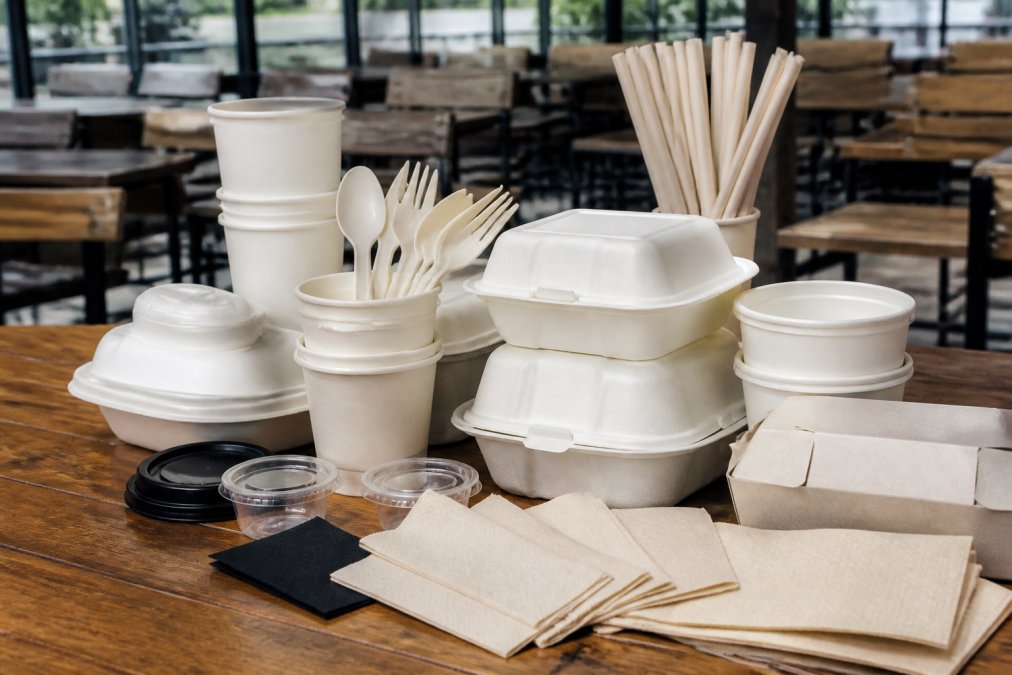
Table of Contents
- The Real Difference: Compostable vs Biodegradable vs Recyclable
- How Industrial Composting Works and Why It Matters
- How to Identify Greenwashing in Food Packaging
- AS 4736 Compostable Certification and What It Guarantees
- ACCC Environmental Claims Guidance for Businesses
- The Cost Reality: Compostable Packaging Pricing and ROI
- End-of-Life Infrastructure: Where Your Packaging Actually Goes
- Conclusion
Last Updated: August 18, 2026
The Real Difference: Compostable vs Biodegradable vs Recyclable
Compostable packaging, biodegradable materials, and recyclable options are often lumped together as "eco-friendly," but they operate under completely different timelines and end-of-life pathways. Understanding the distinction is critical because misusing these terms is one of the most common forms of greenwashing in food packaging today.
Compostable packaging breaks down into organic matter within a specific timeframe (typically 180 days) under controlled industrial conditions or, for certified home compostable products, in a home compost environment. It converts into nutrient-rich compost that improves soil. At Biodegradable Packaging AU, we focus on packaging that meets Australian Standard AS 4736 (industrial compostable) or AS 5810 (home compostable).
Biodegradable packaging offers no timeline guarantee. A product labelled "biodegradable" might take 50 years to break down in a landfill, where it produces methane. This is why "biodegradable" alone is a red flag for greenwashing.
Recyclable packaging enters a different system entirely. It's collected, sorted, and reprocessed into new products. The catch: recyclability depends on local infrastructure. If your council doesn't accept a material, it's waste.
Compostable packaging closes the loop by returning nutrients to soil. Recyclable packaging extends product life but requires energy-intensive reprocessing. Biodegradable packaging in landfill produces greenhouse gases and delivers minimal environmental benefit.
How Industrial Composting Works and Why It Matters
Industrial composting facilities are engineered environments where temperature, moisture, oxygen, and microbial activity are tightly controlled to achieve rapid, complete decomposition. Facilities maintain temperatures between 55-65°C, accelerating microbial breakdown. Aerobic bacteria and fungi convert carbon and nitrogen into carbon dioxide, water, and stable organic matter within weeks to months.
The critical detail most people miss: industrial composting requires ACTIVE MANAGEMENT. Facilities turn windrows, monitor moisture and temperature, and screen finished compost for contamination. A compostable bag in a regular landfill won't decompose; it'll sit in anaerobic conditions and produce methane instead.
Certification matters. When packaging carries AS 4736 certification, independent testing has verified the material will fully biodegrade in an industrial facility. Without certification, a "compostable" claim is just marketing language.
The infrastructure reality is sobering: not every council in Australia has industrial composting capacity. Certified compostable packaging only delivers environmental benefit if your area has access to industrial composting. If it doesn't, your "compostable" container becomes landfill waste, defeating the entire purpose.
How to Identify Greenwashing in Food Packaging
Greenwashing in food packaging relies on visual cues, vague language, and exploiting consumer confusion between similar-sounding terms. Learning to spot it protects your business from regulatory risk and ensures your sustainability claims actually hold up.
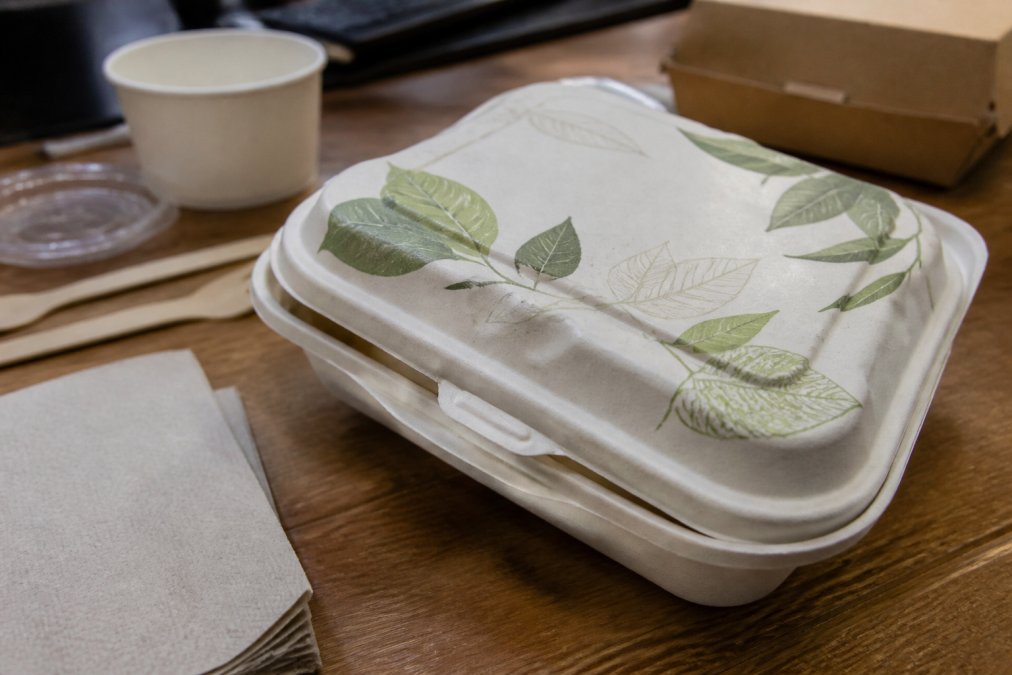
Common greenwashing tactics to watch for
Vague claims without certification. Phrases like "eco-friendly," "natural," "green," and "sustainable" are meaningless without third-party verification. Look for specific certifications: AS 4736 (industrial compostable), AS 5810 (home compostable), or equivalent international standards.
Hidden trade-offs. A supplier markets "compostable packaging" while using virgin plastic for the lid or non-recyclable adhesives. Only part of the product is compostable.
No third-party backing. If a brand makes environmental claims but offers no certification, test report, or independent verification, treat it as unverified marketing. The ACCC Environmental Claims Guidance for Businesses explicitly warns against unsubstantiated claims. Legitimate suppliers provide certification documents and test results.
Misleading imagery. Leaf logos, green colour palettes, and nature photographs create an environmental impression regardless of actual material.
Absence of end-of-life information. Greenwashing omits the crucial detail: where does this packaging actually go? A truly sustainable supplier explains the composting pathway and helps customers access it.
Look for the opposite of greenwashing: clear, specific certifications printed prominently. AS 4736 or AS 5810 symbols, QR codes linking to test reports, and explicit disposal instructions signal genuine compostable packaging.
AS 4736 Compostable Certification and What It Guarantees
AS 4736 is the Australian Standard for compostable plastics. Materials must biodegrade in an industrial composting facility within 180 days, leaving no more than 10% of the original material as residue larger than 2 millimetres. This is rigorous testing, not marketing language.
When packaging carries AS 4736 certification, it means:
- Independent testing has verified the material will fully break down in industrial composting conditions
- Heavy metals and toxic substances are below regulatory limits
- The decomposition process produces no harmful residue
- The material will not contaminate compost intended for agricultural use
Critically, AS 4736 certification does NOT guarantee your local council accepts the packaging. It certifies the material's properties, not facility availability in your area.
AS 5810 is the home compostable standard, a higher bar. Materials must break down in home compost conditions within 12 months. Fewer products meet this standard because home conditions are harder to control.
Biodegradable Packaging AU's certified compostable foodservice packaging carries AS 4736 certification for industrial facilities. Our BioCup range is certified to AS 5810 for home composting, offering flexibility for customers with access to home compost systems.
ACCC Environmental Claims Guidance for Businesses
The Australian Competition and Consumer Commission (ACCC) has explicit guidelines on environmental claims. Breaching these guidelines exposes your business to regulatory action and consumer backlash.
The core principle: environmental claims must be accurate, substantiated, and not misleading. Vague terms like "eco-friendly" without specific evidence are prohibited. The ACCC expects businesses to hold test reports, certifications, or independent verification before making any environmental claim.
Key rules:
- Avoid unqualified claims. "Compostable" alone is insufficient; specify the standard (AS 4736, AS 5810) and conditions (industrial or home).
- Disclose limitations. If packaging is only compostable in industrial facilities, say so. Don't imply it's universally compostable.
- Substantiate with evidence. Keep certification documents, test reports, and supplier declarations readily available. If the ACCC asks, you must provide proof.
- Don't use misleading imagery. Green colours and leaf logos are fine, but they can't create a false impression of environmental benefit.
For food businesses, your packaging claims must match reality. If you're using certified compostable containers but your council doesn't accept them, you're potentially misleading customers. Source packaging that matches your local infrastructure and communicate clearly about where it actually goes.
The Cost Reality: Compostable Packaging Pricing and ROI
Compostable packaging costs more upfront than conventional plastic, reflecting material costs, manufacturing complexity, and lower production volumes. But the true cost comparison requires looking beyond unit price to lifecycle carbon footprint and total cost of ownership.
Upfront pricing and material premiums
Certified compostable packaging typically costs more per unit than conventional plastic equivalents. For example, our 23x23x8cm 3-Compartment White Plant Fibre Clamshell costs $88.65 per case, and our 23x15x8cm / 9x6x3in 2-Compartment White Plant Fibre Clamshell costs $82.45 per case. Our Burger BioBoard Box is $70.50 per case. For comparison, a 13cm / 5in PLA Stirrer costs $105.30 per case, and a 16.5cm / 6.5" PLA Fork costs $75.25 per case. Our 295ml / 8oz (90mm) White Double Wall BioCup is $199.95 per case, and a 120ml / 4oz (63mm) Leaf Single Wall BioCup is $134.65 per case. A 1,000ml Natural Plant Fibre Takeaway Base costs $142.00 per case. These prices reflect the premium for certified compostable materials.

Lifecycle carbon footprint: the hidden comparison
Conventional plastic packaging has a lower manufacturing footprint but a massive end-of-life penalty. Compostable packaging has a higher manufacturing footprint but a lower or neutral end-of-life impact.
Comparative lifecycle assessment data shows:
- Conventional plastic clamshell: approximately 0.5-0.8 kg CO₂-equivalent per unit, including manufacturing and landfill decomposition (methane emissions over 50+ years).
- Compostable PLA clamshell: approximately 0.6-0.9 kg CO₂-equivalent per unit, with manufacturing dominant and minimal end-of-life emissions.
- Fibre-based compostable clamshell: approximately 0.3-0.5 kg CO₂-equivalent per unit, often lower than plastic because composting returns carbon to soil rather than releasing it as methane.
A café switching 5,000 annual units from plastic to fibre-based compostable packaging could reduce packaging-related carbon emissions by 1-2 tonnes CO₂-equivalent annually, assuming the packaging reaches an industrial composting facility.
Total cost of ownership: waste disposal, regulatory, and brand factors
Waste disposal costs. Many Australian councils charge for landfill waste but offer free or discounted composting services. A café generating 50 kg of compostable waste daily could save $500-$1,500 annually by composting instead of landfilling.
Regulatory future-proofing. Single-use plastic bans are expanding across Australian states and territories. Packaging that's already compostable won't be affected by future legislation.
Brand differentiation and customer willingness to pay. Research in food service shows that 35-45% of customers in metropolitan areas factor environmental credentials into purchasing decisions. A café using certified compostable packaging can justify a 5-10% price increase on takeaway items, offsetting much of the packaging cost premium.
Employee retention and recruitment. Younger workers increasingly prioritise working for environmentally responsible employers. Visible sustainability commitments reduce turnover and recruitment costs.
ROI timeline and break-even scenarios
For a small café (10,000 takeaway containers annually):
- Packaging cost increase: $3,000-$5,000 annually
- Waste disposal savings: $300-$600 annually
- Price premium capture: $1,500-$3,000 annually
- Net annual cost: $0-$2,000 after offsets
Break-even occurs within 12-18 months when brand differentiation and waste savings are factored in. For larger operations (50,000+ units annually), break-even shortens to 6-12 months.
For businesses in regions without industrial composting access, the ROI calculation is negative unless brand differentiation alone justifies the premium.
Practical cost management strategies
Phase the transition. Start with high-visibility items (takeaway containers) where customer perception is strongest, then add compostable cutlery, cups, and napkins as budget allows.
Negotiate volume discounts. Suppliers offer better pricing at higher volumes.
Explore co-purchasing groups. Multiple small businesses pooling orders can achieve volume discounts individually unavailable.
Verify local composting access and rates. Before switching, confirm your council accepts compostable packaging, understand tipping fees, and calculate actual disposal savings.
The cost reality is this: compostable packaging has a genuine upfront premium, but lifecycle carbon, waste disposal savings, regulatory future-proofing, and brand differentiation can offset or eliminate that premium within 12-24 months. The decision hinges on local infrastructure access and customer demographics.
End-of-Life Infrastructure: Where Your Packaging Actually Goes
Certified compostable packaging only delivers environmental benefit if it actually reaches an industrial composting facility. Across Australia, industrial composting capacity is unevenly distributed, and the gap between certified packaging and available facilities remains the single largest barrier to genuine compostable packaging adoption.
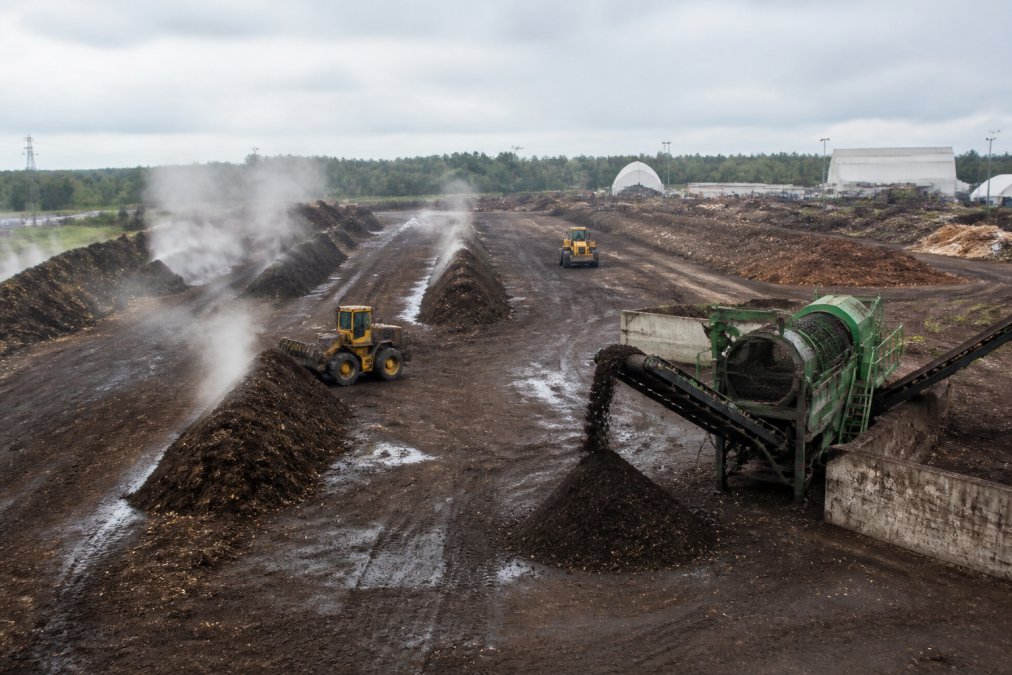
Industrial composting capacity across Australia: the regional reality
Metropolitan areas have established industrial composting infrastructure. Melbourne, Sydney, and Brisbane each have multiple facilities accepting certified compostable packaging. Regional centres have limited capacity. Rural areas often have none.
Victoria: Melbourne metro has approximately 8-10 operational facilities. Geelong has 1-2. Regional Victoria has minimal capacity.
New South Wales: Sydney metro has 5-7 facilities. Newcastle and Wollongong have 1-2 each. Regional NSW has very limited capacity.
Queensland: Brisbane metro has 4-6 facilities. Gold Coast and Sunshine Coast have 1-2 each. Regional Queensland has minimal infrastructure.
South Australia, Western Australia, Tasmania: Adelaide, Perth, and Hobart each have 1-3 facilities. Regional areas have almost no capacity.
The practical consequence: if your business is in a metropolitan area, compostable packaging can genuinely close the loop. If you're in a regional or rural area, certified compostable packaging likely ends up in landfill, producing methane instead of compost.
How to verify composting access in your location: a practical checklist
Before committing to compostable packaging, verify that your local area has industrial composting capacity and that the facility accepts your specific packaging type.
Step 1: Identify your council's composting services
Contact your local council's waste management department and ask:
- Does the council operate or contract an industrial composting facility?
- Does the facility accept certified compostable packaging (AS 4736 or AS 5810)?
- Is there a separate collection stream for compostable packaging?
- What are the tipping fees for compostable waste versus landfill waste?
Step 2: Identify private composting facilities in your region
If your council doesn't operate a facility, search for private industrial composting operators using Compost Australia's directory, local government waste management databases, or Google Maps search for "industrial composting [your suburb]."
When you contact a facility, ask:
- Do you accept certified compostable packaging (AS 4736 or AS 5810)?
- What materials do you accept?
- What are your tipping fees?
- Do you require packaging to be sorted separately from food waste?
- What is your current capacity?
Step 3: Verify the facility's certification and track record
Ask for proof of AS 4736 or AS 5810 compliance, references from other businesses, and information on their finished compost quality and use.
Step 4: Understand the collection pathway
Even if a composting facility exists, your packaging only reaches it if there's a collection system. Ask whether your council offers separate collection for compostable packaging or if you can arrange private collection with the facility.
Step 5: Calculate the actual environmental benefit
Once you've verified facility access, calculate whether the composting pathway actually reduces your environmental footprint compared to conventional plastic.
What happens when compostable packaging reaches landfill
If certified compostable packaging ends up in a standard landfill, it decomposes anaerobically in the absence of oxygen, producing methane, a greenhouse gas roughly 25-28 times more potent than carbon dioxide over a 100-year timeframe.
A café generating 50 kg of compostable waste daily that ends up in landfill instead of composting produces approximately 2-3 tonnes of CO₂-equivalent methane emissions annually. This is worse than using conventional plastic.
Customer behaviour and the infrastructure-education gap
Even if you source compostable packaging and a composting facility exists in your area, customers won't compost it unless they know they can and understand why they should. Responsible businesses address this gap:
- Label containers clearly. Print "Compostable, please place in composting bin" on the container itself.
- Provide on-site composting bins. Place a clearly labelled composting bin next to the general waste bin.
- Educate customers. Include information on receipts, menus, or signage explaining where the packaging goes and why it matters.
- Partner with your composting facility. Some facilities provide educational materials.
Without this education, even certified compostable packaging fails to deliver environmental benefit.
Infrastructure investment and future outlook
Industrial composting capacity is expanding as single-use plastic bans take effect. However, this expansion is concentrated in metropolitan areas. Regional and rural areas will likely continue to lack capacity for 5-10 years.
If you're in a region without current composting access, you can wait for infrastructure to develop and use conventional or recyclable packaging in the interim, or advocate for local composting infrastructure by joining industry associations or partnering with other businesses.
The infrastructure checklist: before you switch to compostable packaging
- ☐ Identified an industrial composting facility within 50 km of your location that accepts AS 4736 or AS 5810 certified packaging.
- ☐ Confirmed the facility has current capacity and is accepting new customers.
- ☐ Verified your council offers separate collection for compostable packaging, or arranged private collection with the facility.
- ☐ Calculated the tipping fee difference between composting and landfill in your area.
- ☐ Confirmed the facility's certification and track record with other businesses.
- ☐ Planned customer education and on-site bin placement to ensure packaging actually reaches composting, not landfill.
- ☐ Calculated the net environmental benefit (composting vs. landfill vs. conventional plastic) for your specific location.
If you cannot tick all seven boxes, compostable packaging is not a viable choice in your area. Use recyclable or conventional packaging instead, and revisit compostable options when infrastructure develops.
Compostable packaging is only as good as the infrastructure that processes it. Certification matters, but infrastructure matters more. A certified compostable container in a landfill is worse than conventional plastic. A certified compostable container in an industrial composting facility is genuinely sustainable. The difference is infrastructure, not marketing.
Frequently Asked Questions
How can I verify if packaging is genuinely compostable in Australia?
Look for third-party certification logos from accredited bodies that comply with AS 4736 standards. Genuine compostable packaging will display certification marks and include information about whether it's home or industrially compostable. Check the manufacturer's website for certification documentation. Avoid packaging with vague claims like 'eco-friendly' or 'natural' without specific certifications. Ask your supplier for a certificate of compliance and verify it independently if needed.
What is the difference between biodegradable and compostable packaging?
Biodegradable packaging breaks down over time through natural processes, but may take years and could leave toxic residue. Compostable packaging is a subset of biodegradable materials that breaks down completely within specific timeframes (typically 180 days for industrial composting under AS 4736 standards) into non-toxic compost without harming the environment. All compostable packaging is biodegradable, but not all biodegradable packaging is compostable. Compostable packaging is the better choice for food waste systems.
What are the ACCC guidelines for environmental claims on packaging?
The ACCC requires environmental claims to be accurate, substantiated, and not misleading. Businesses must have scientific evidence supporting any sustainability claims before displaying them on packaging. Vague terms like 'eco-friendly' or 'green' without specific substantiation violate ACCC guidance. Claims must clearly state the specific environmental benefit (e.g., 'industrially compostable' rather than just 'compostable'). Penalties for breaching these guidelines include fines and mandatory corrective advertising.
How do I know if my supplier is genuinely committed to sustainability or just greenwashing?
Request certification documentation and independently verify it with accrediting bodies. Ask about their supply chain traceability and lifecycle assessment data. Genuine suppliers provide specific details about material sourcing, manufacturing processes, and end-of-life disposal. They're transparent about limitations and costs. Greenwashing suppliers use vague language, avoid questions about certifications, and make exaggerated claims. Check whether they offer custom-branded packaging with proper certification, this shows they've invested in genuine sustainable infrastructure rather than just rebranding generic products.
This article was written using GrandRanker